

Acne Treatments
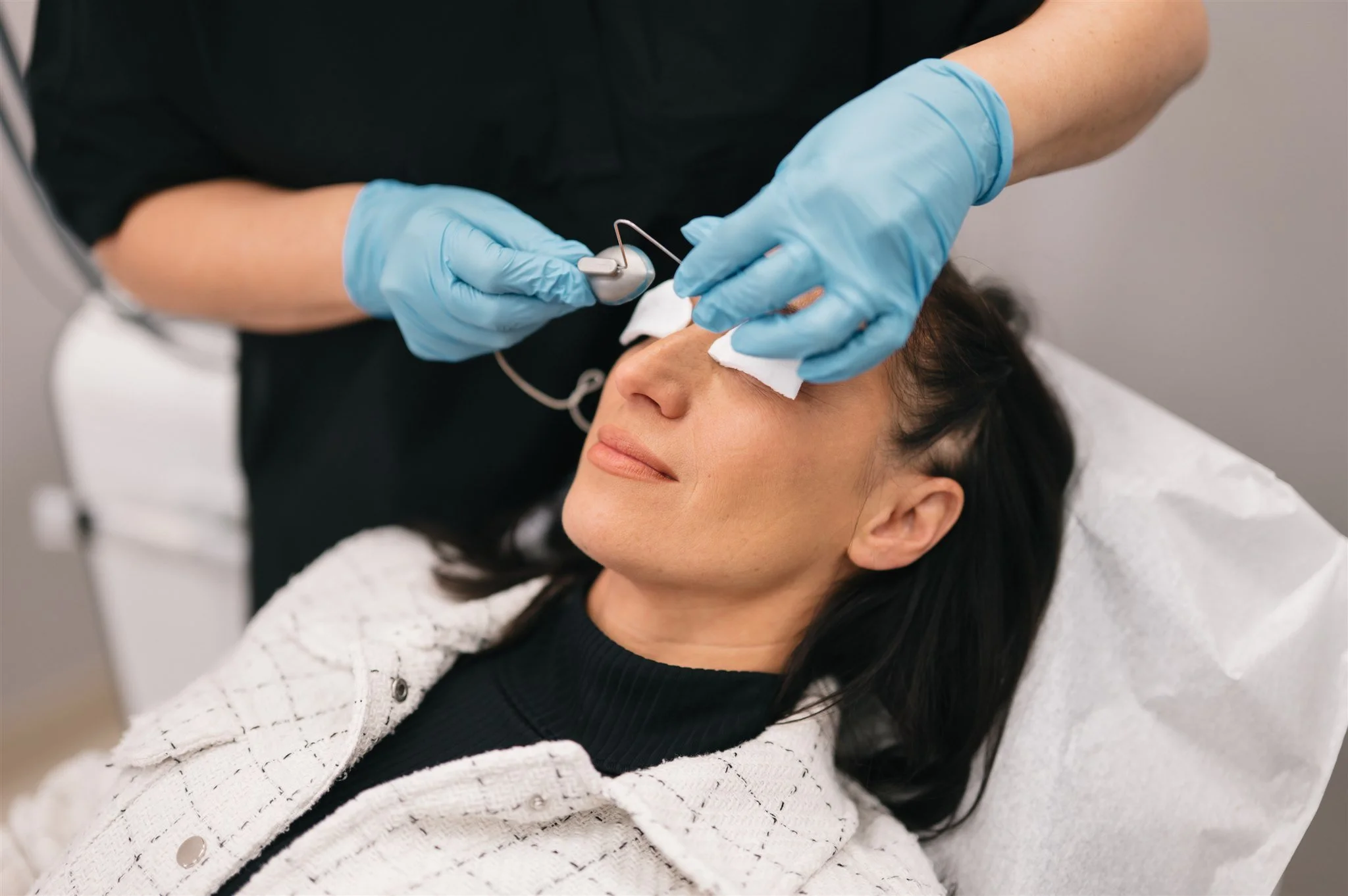
Acne Clinics of Edmonton offers a variety of Acne treatments customizable to your skin needs. At our Acne Clinic in West Edmonton Mall we offer Physician Prescription Treatments, BLU U Light Therapy, PDT - Photo Dynamic Therapy, Liquid Nitrogen Cyrotherapy, Chemical Peels, Microdermabrasion and more.
Physician Medical Treatments
Physicians at Acne Clinics of Edmonton can prescribe a range of topical and oral acne treatments to help reduce and improve your acne. In selected cases, liquid nitrogen cryotherapy may also be used to target and improve certain acne lesions.
BLU U Light Therapy
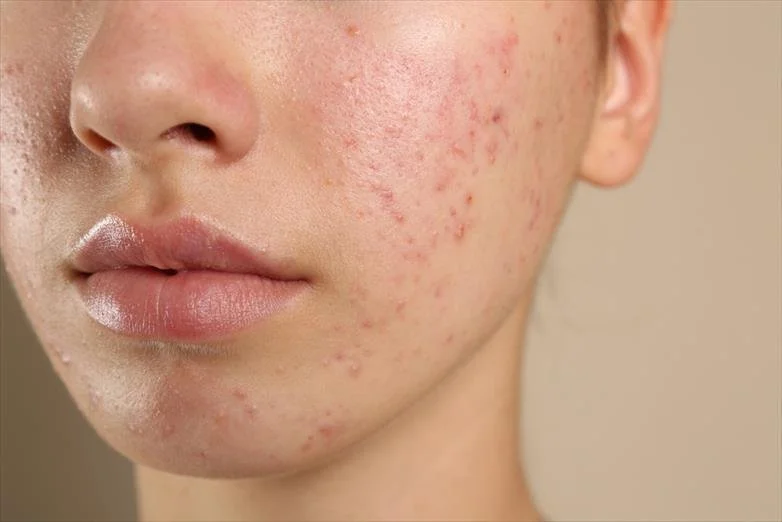
Blue Light Photodynamic Therapy (TRU-BLU) Antibacterial light treatment
Dosage: Four sessions over two weeks (twice weekly). Each session ≈16 minutes. Wash face with a mild cleanser before treatment.
How it works: Blue light (~440 nm) activates bacterial porphyrins, creating reactive oxygen that kills acne-causing bacteria.
PDT - Photo Dynamic Therapy
Using a combination of Levulan and BLU U we can safely treat Acne
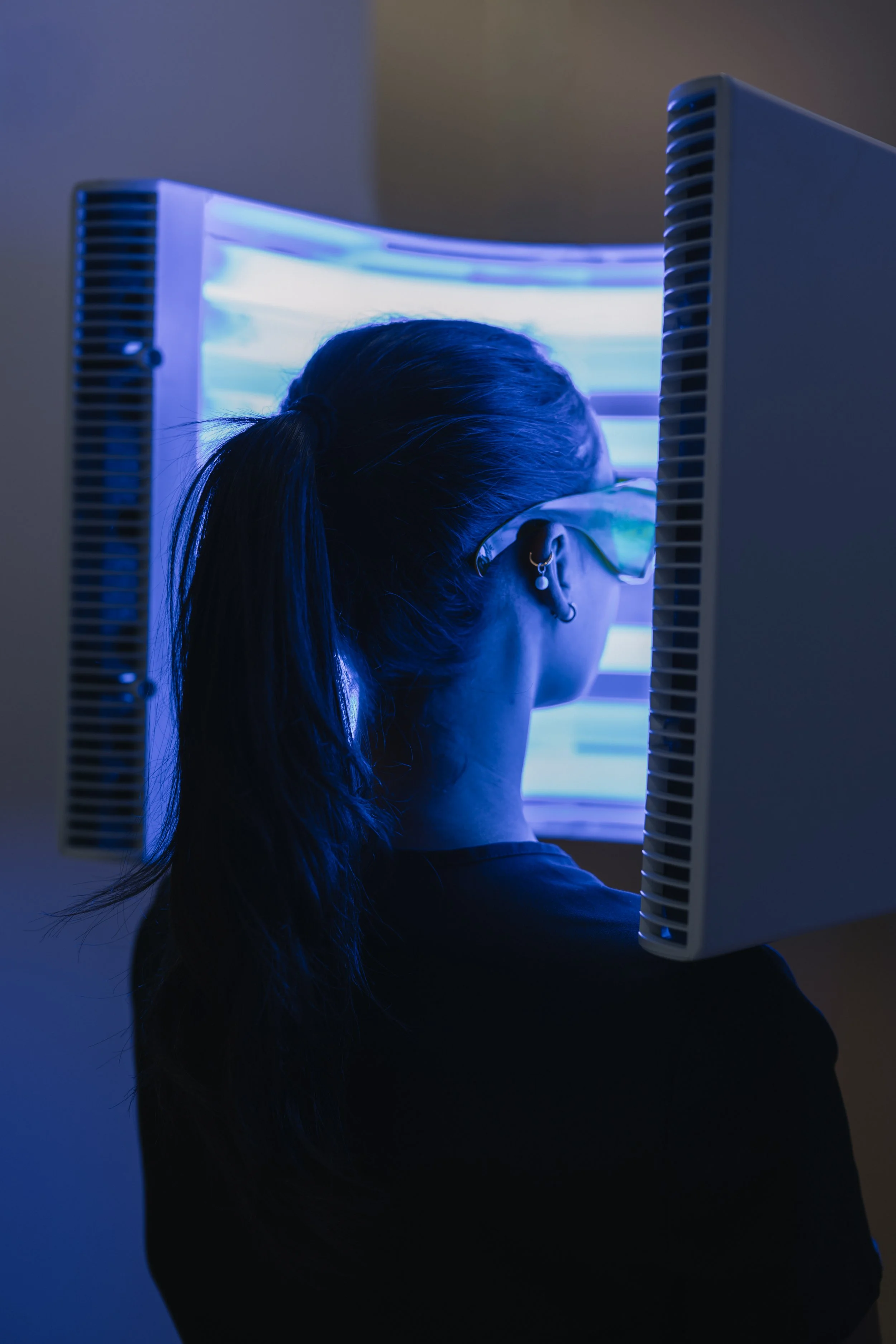
At our Acne Clinic in Edmonton, we offer pharmaceutical‑grade USP chemical peels — expertly blended salicylic acid, lactic acid and resorcinol — formulated to gently yet effectively exfoliate dead skin cells, unclog pores, reduce inflammation and target acne‑causing bacteria for clearer, healthier skin.
Chemical Peels
Microdermabrasion
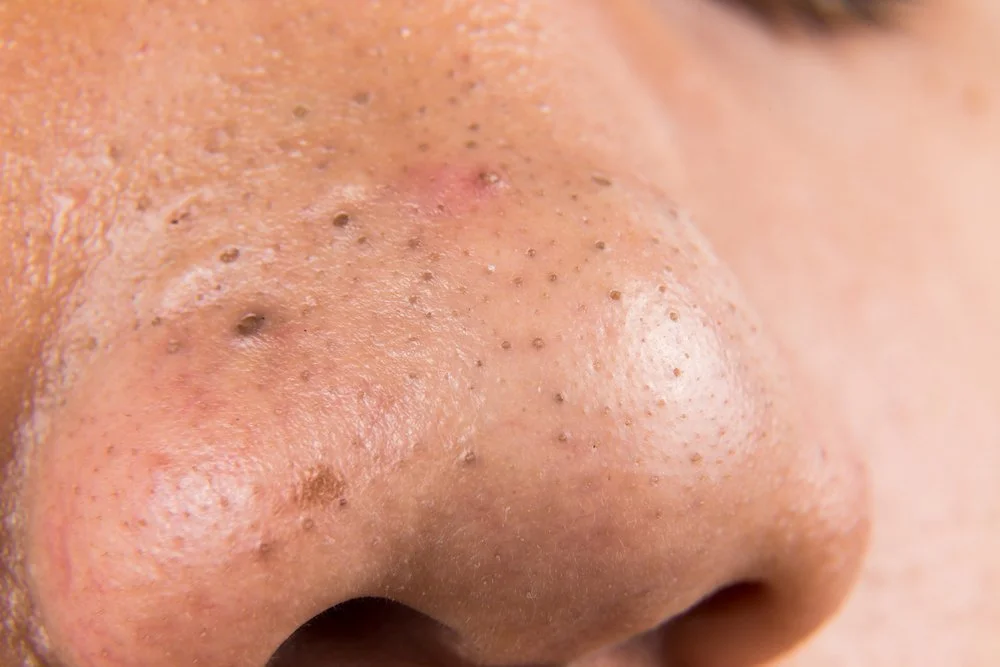
Microdermabrasion can help mild acne consisting of blackheads (open comedones), whiteheads (closed comedones) and oily skin by gently exfoliating the surface and helping to unclog pores for a clearer complexion.
Frequently Asked Questions
-
Research shows diet doesn’t cause acne. If you believe a specific food worsens your acne, avoid it. If your acne is under control, diet usually won’t matter.
-
Studies show stress doesn't cause acne but can make it worse. When stressed, the body releases extra glucocorticoids, which make oil glands produce more oil and can aggravate acne.
-
Acne isn’t caused by dirt or surface oils. Scrubbing or rubbing can make it worse. Harsh or frequent washing only irritates and reddens skin. Wash your face twice daily with a gentle cleanser, then use recommended acne treatments.
-
Sunlight does not improve acne. It raises the risk of skin cancer and premature aging, so it isn’t recommended. Other effective acne treatments exist, and many make skin more sensitive to sunlight, increasing that risk.
-
Yes. Picking or squeezing pimples—especially inflamed ones—raises the risk of scars. Forcing pus deeper into the skin increases inflammation and scarring.
-
Acne improvement depends on the treatment. Expect weeks to months for results. Doctors usually suggest using one or more medications daily for 4–8 weeks before changing the plan. Don’t stop treatment early out of discouragement.
Why do I have acne as an adult? Most acne happens in the teens and gets better in your 20s, but some adults—especially women—keep getting acne or start having it later. Most women with adult acne don’t have high androgen levels but are more sensitive to normal androgen levels. The hormone progesterone can act like androgens, and androgens increase oil (sebum) in the skin, which raises the chance of acne.
-
Treating acne prevents scarring. Scars can be improved in different ways, and treatment should be tailored to each person. Options include chemical peels, microdermabrasion, collagen injections, and laser resurfacing. See a doctor to choose the best method. Acne should be well controlled before any scar treatment. Read our acne scarring section for more details.
-
Acne needs individual care. If your current treatment isn’t working, see a medical professional to find what’s best for you. For details on treatment options, see acne treatments.
Which skin and cosmetic products can someone with acne use? Use “non‑comedogenic” products — they’re made not to cause or worsen acne.
-
Always check with your doctor before stopping medication. Stopping suddenly can cause acne to flare weeks later. If your acne has improved, oral meds can often be tapered, but you should continue a topical treatment and a good skincare routine to prevent it from returning.
-
If you miss a dose of an oral medicine, don’t take two the next day. Just resume your normal schedule as soon as you remember. Some oral drugs may have different rules—check with your doctor or pharmacist for advice specific to your medication.